





























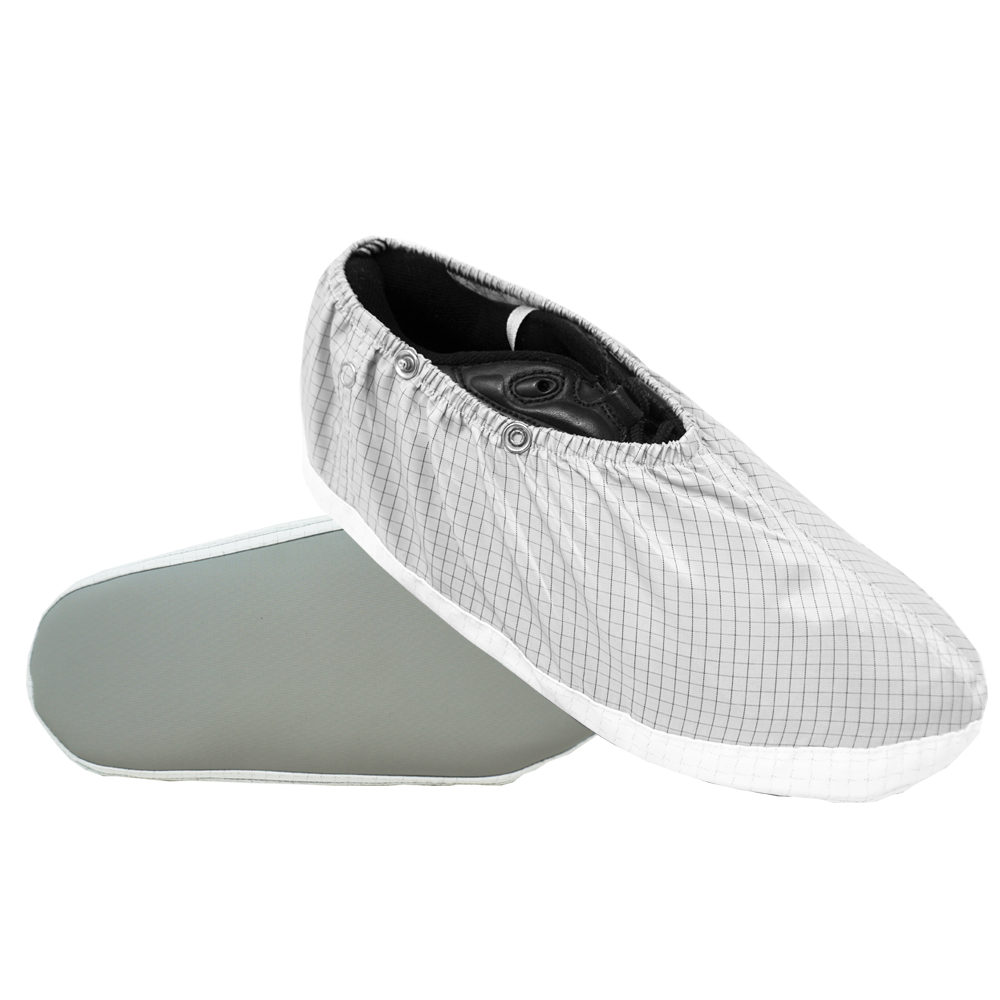


Semiconductors
The semiconductor industry is a sector that designs, manufactures, and sells semiconductor devices, which are essential components in nearly all modern electronics. Semiconductors are materials that have electrical conductivity between that of a conductor (like metal) and an insulator (like rubber). They form the backbone of modern electronics, including processors, memory chips, sensors, and other integrated circuits used in a wide range of products like computers, smartphones, medical devices, automobiles, and more. The semiconductor industry relies heavily on anti-static products because electrostatic discharge (ESD) can severely damage the delicate and sensitive components involved in semiconductor manufacturing. Semiconductor devices are extremely sensitive to electrostatic discharge, even small static charges can cause permanent damage to the chips or alter their performance. This can lead to defects, reduced functionality, or complete failure of the semiconductor components. Semiconductors are used in a vast array of high-performance applications, so quality control is paramount. Any defects caused by ESD can compromise the quality and reliability of the final products, leading to faulty electronics in consumer and industrial applications. A significant portion of the semiconductor manufacturing process involves handling tiny, intricate components that are extremely vulnerable to static. Using anti-static products helps prevent failures and waste during production, thus reducing the overall cost of production. Semiconductor fabrication often occurs in cleanrooms—highly controlled environments designed to minimize dust, contamination, and static. Anti-static products ensure that the conditions remain optimal for the production of these highly sensitive devices.

The semiconductor industry uses a range of anti-static products to manage and control static electricity. Some of the most common anti-static products include:
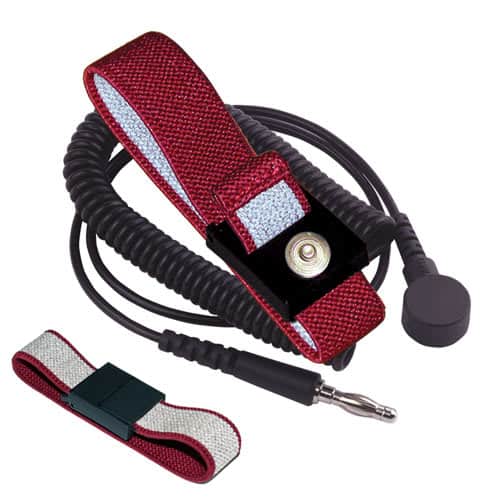
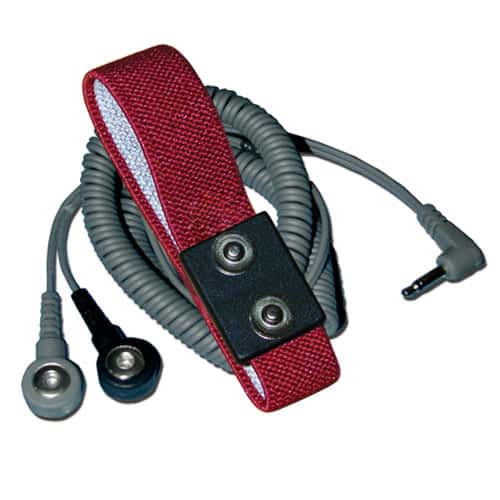
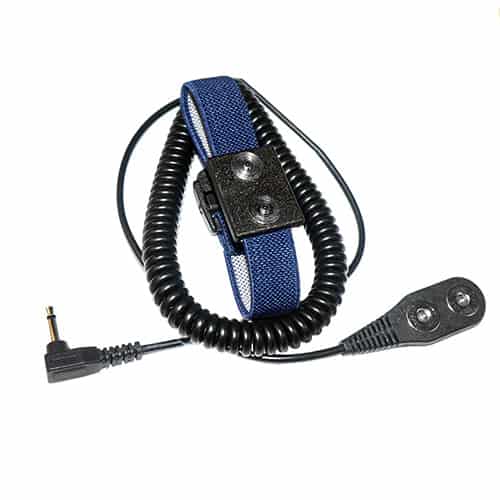
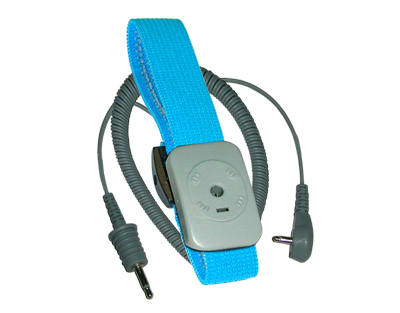
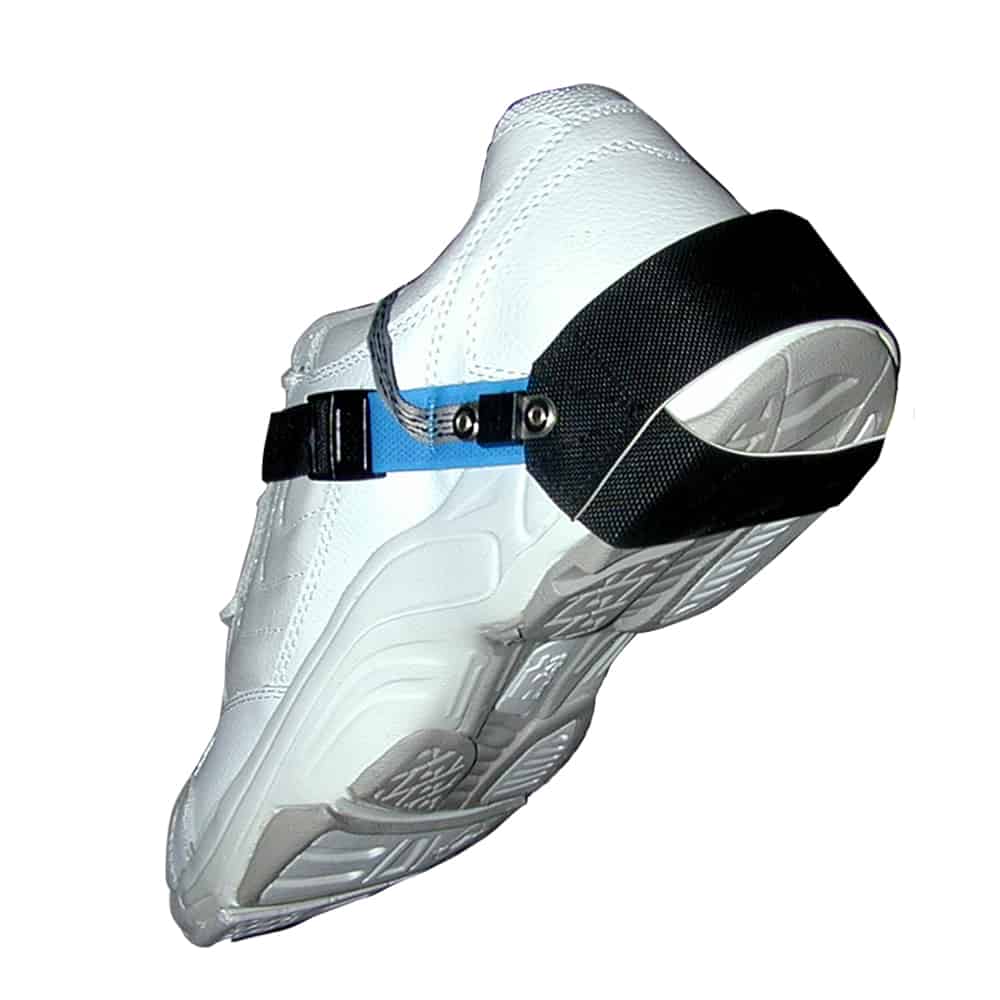
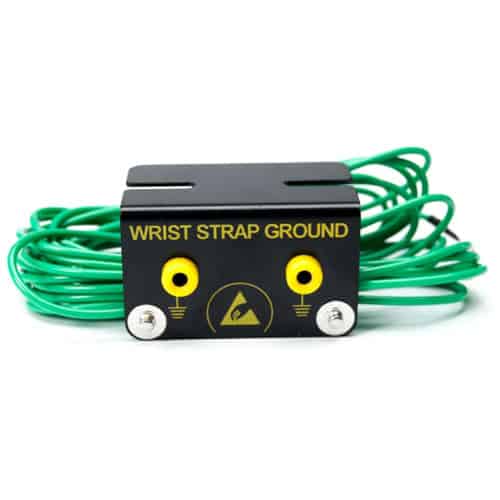
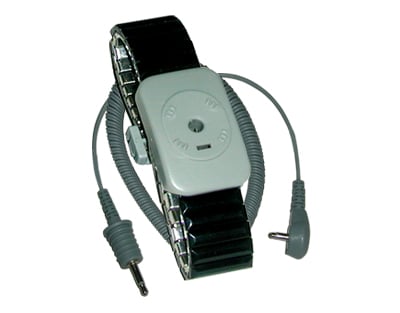
Static Control Cords and Wrist Straps
These wrist straps are worn by personnel to discharge any static charge safely from their bodies before they handle sensitive components. They are typically grounded to ensure that any potential charge is neutralized before it can reach the semiconductor devices.
 (opens in a new tab)
WB8016 Wrist Band with Fabric Clasp Band - Band Only
 (opens in a new tab)
WB4016 Wrist Band - 4mm Snap
 (opens in a new tab)
WB0070 Dual Conductor Fabric Wrist Band
 (opens in a new tab)
WB5200 Series Dual Conductor Metal Wrist Band and 20ft Coil Cord Set
Anti-Static Mats
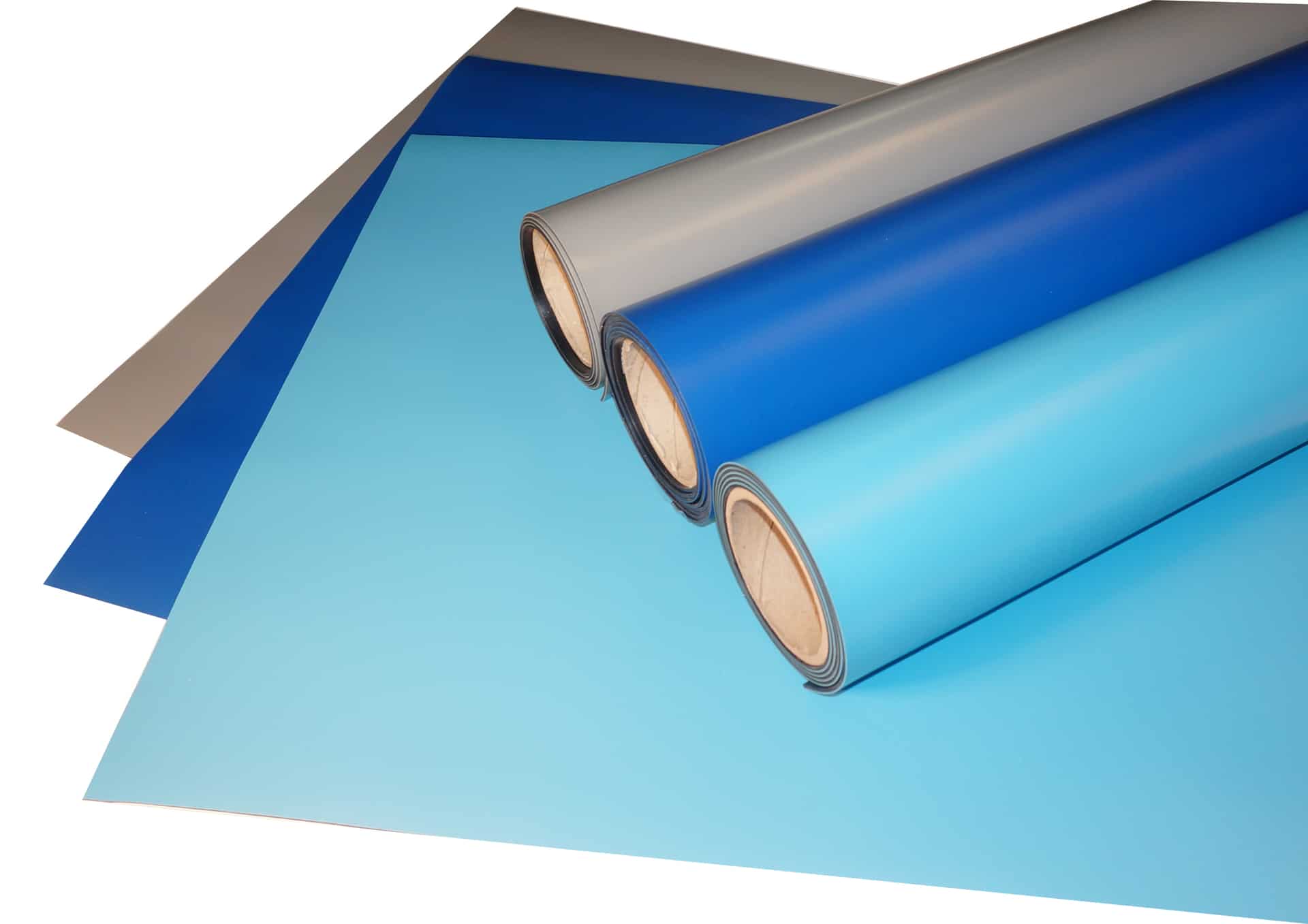
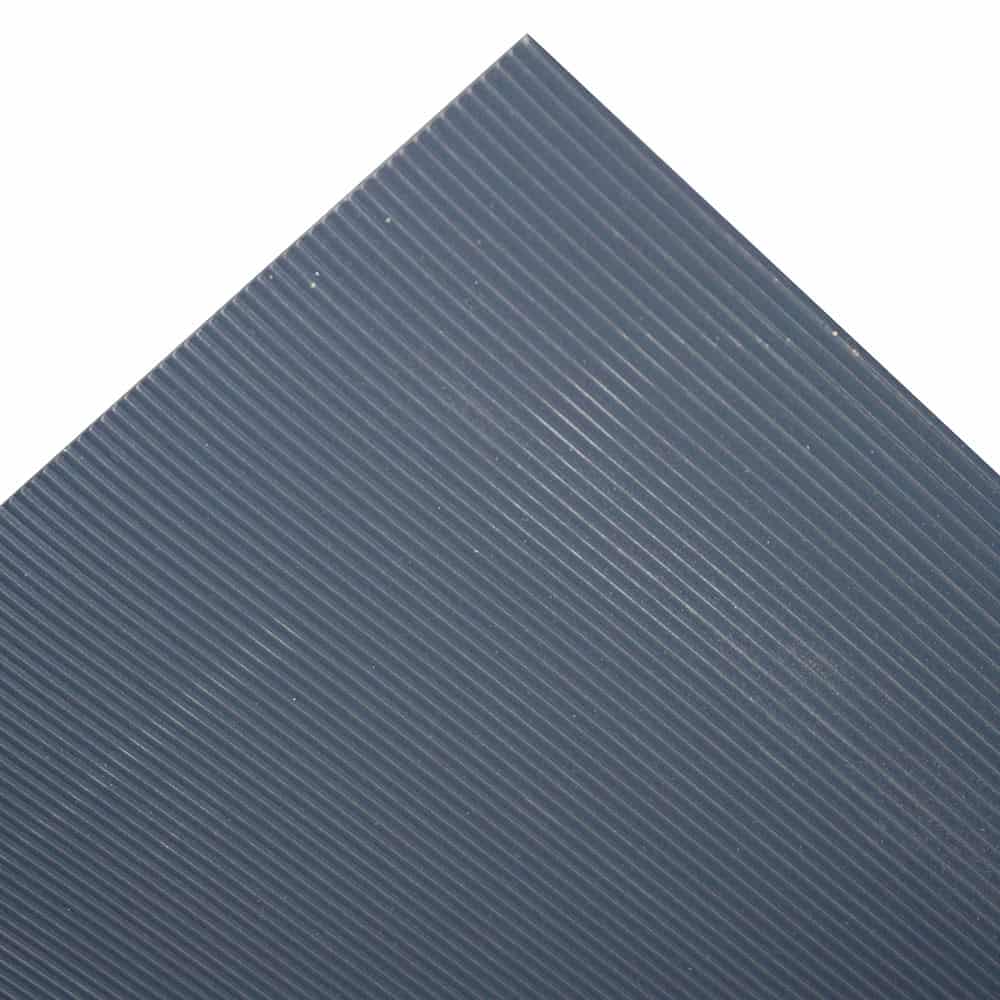
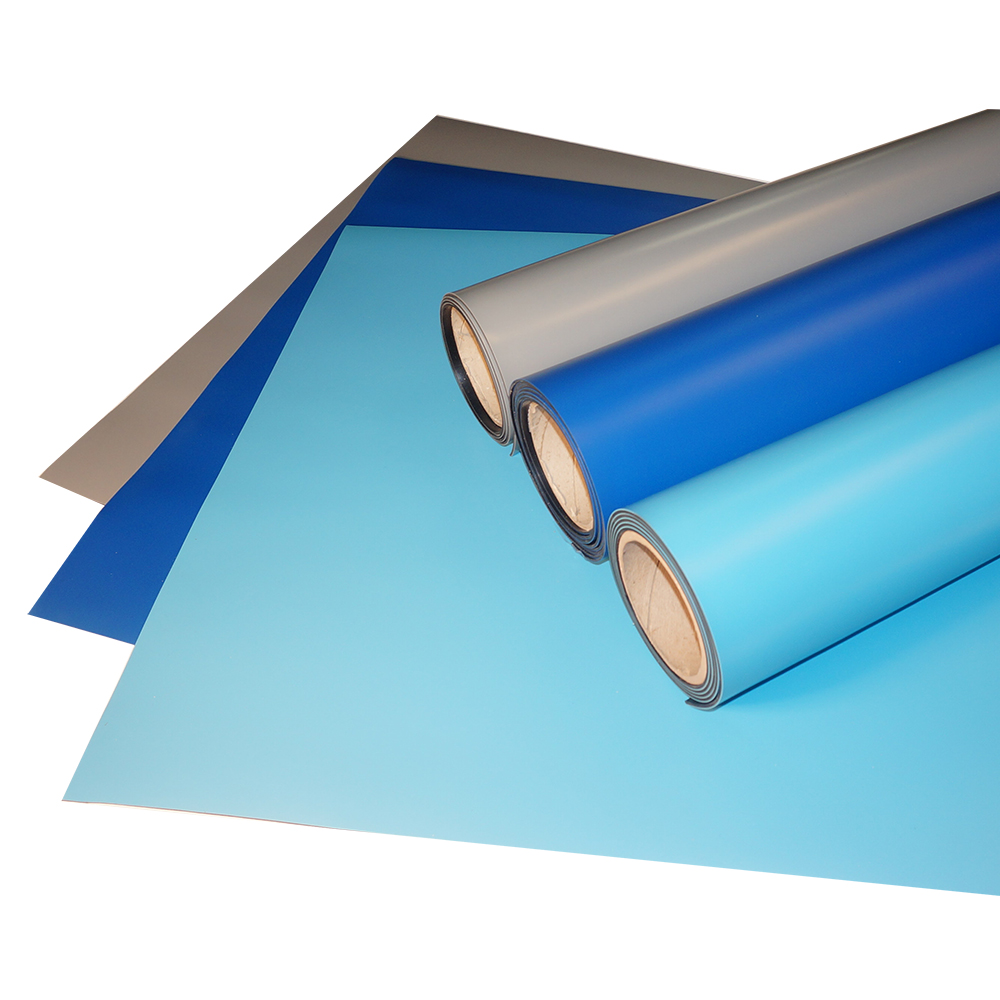
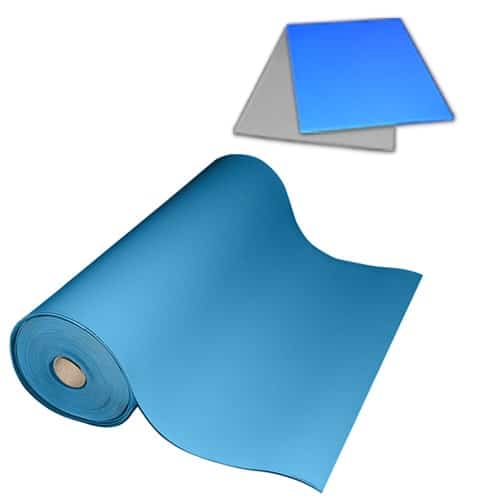
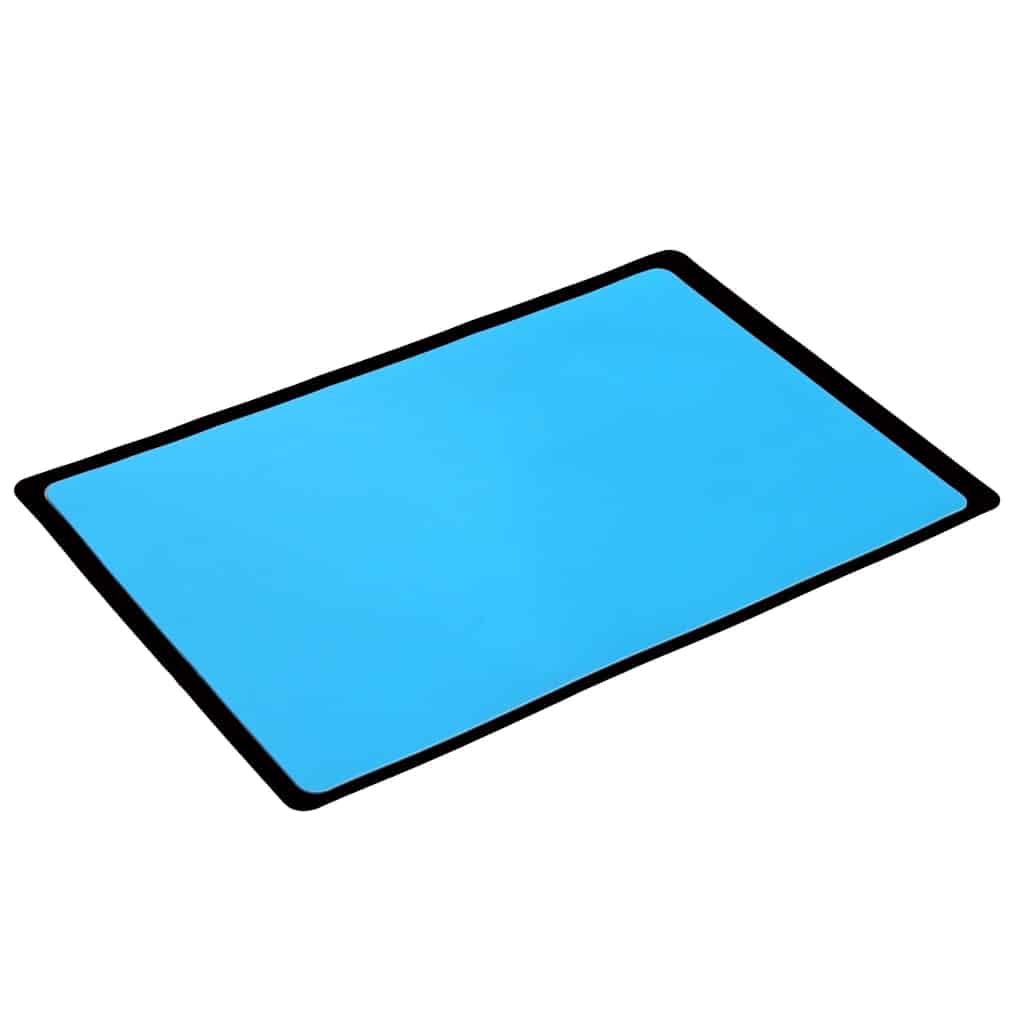
Anti-static mats are placed on work surfaces where semiconductor components are assembled or tested. These mats are designed to dissipate static charge, preventing it from accumulating on the devices. Workbenches may also incorporate conductive or dissipative materials to help protect sensitive semiconductor parts.
 (opens in a new tab)
MT2500 - Two-Layer ESD Rubber Table Mat - 0.060" Thick Full Rolls
 (opens in a new tab)
VinylStat A - 3 Layer Premium ESD Table Mat Full Rolls and Pre-Cut Sizes
 (opens in a new tab)
TM33200 - ESD Tray Liner - 16x24
 (opens in a new tab)
ESD Table Mat Two-Layer Textured Rubber - 48"x50' Light Blue
Ionizing Air Blowers or Guns
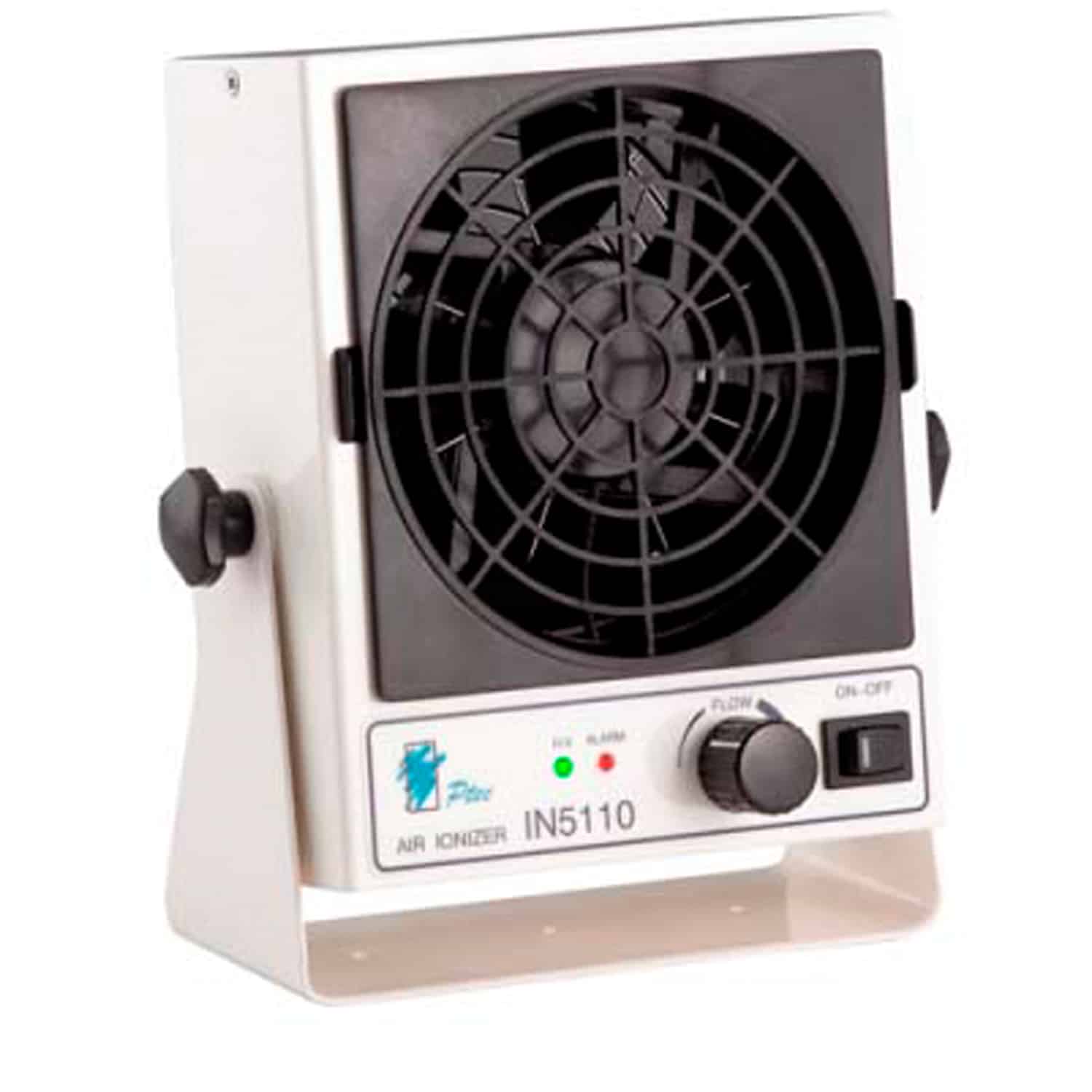
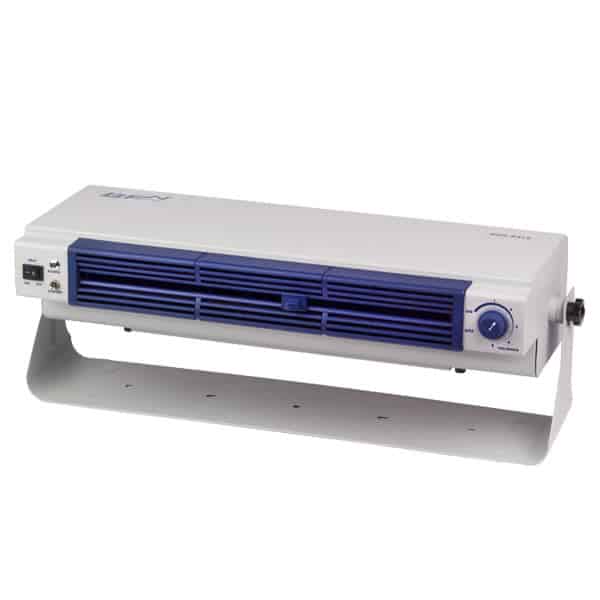
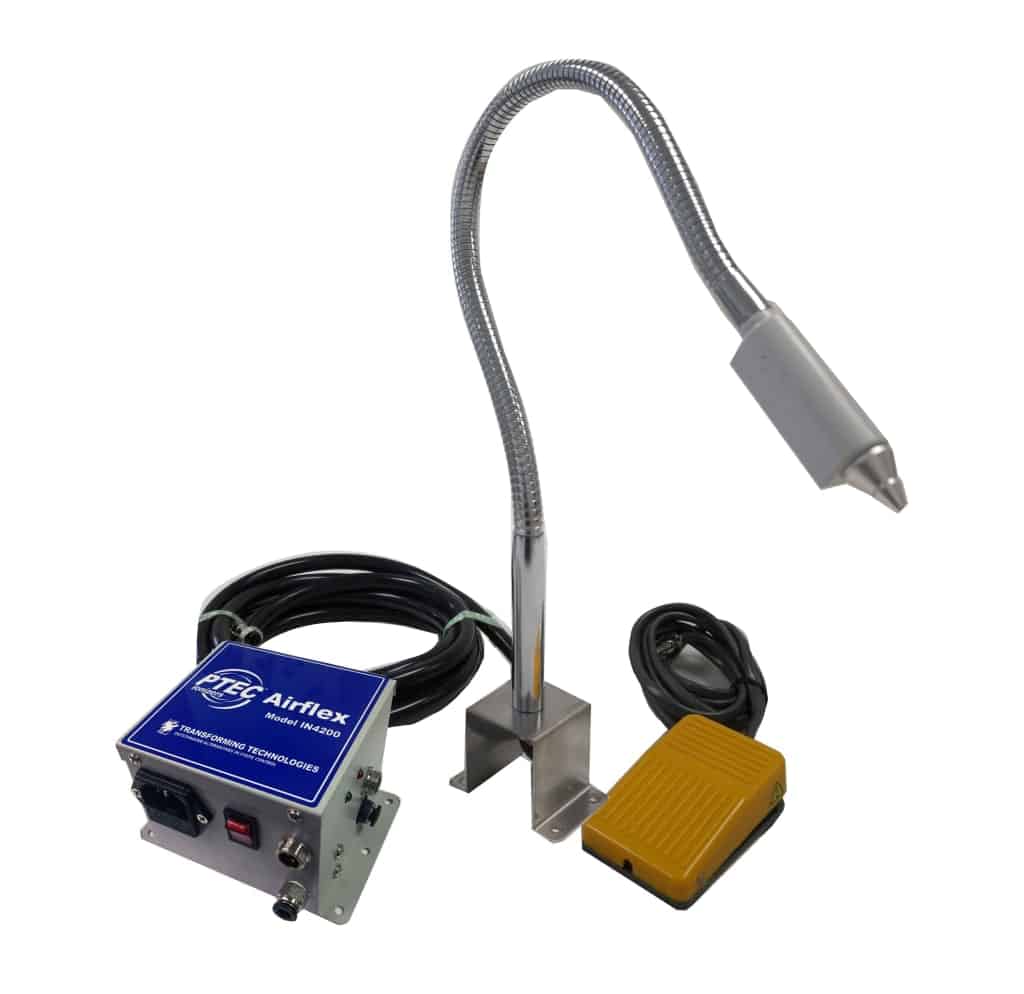
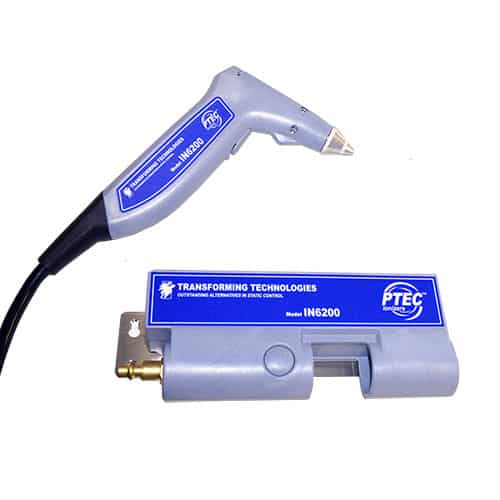
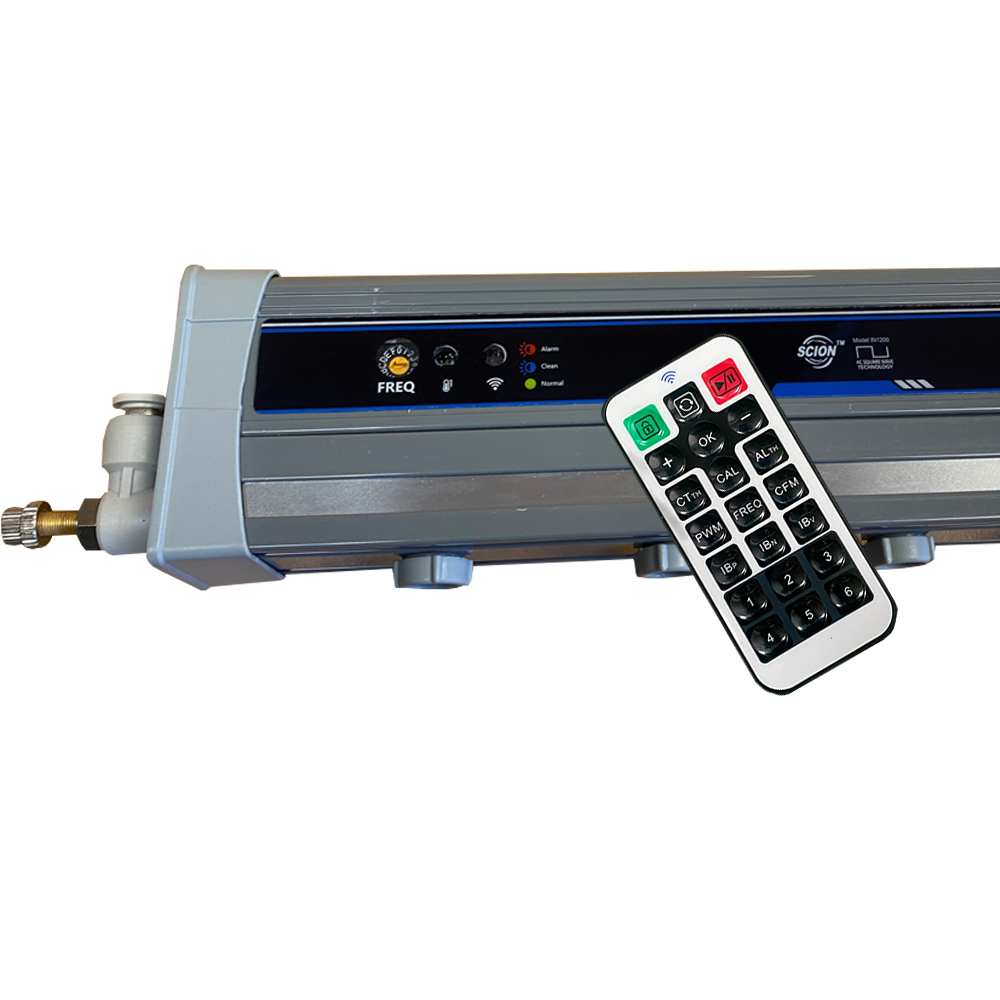
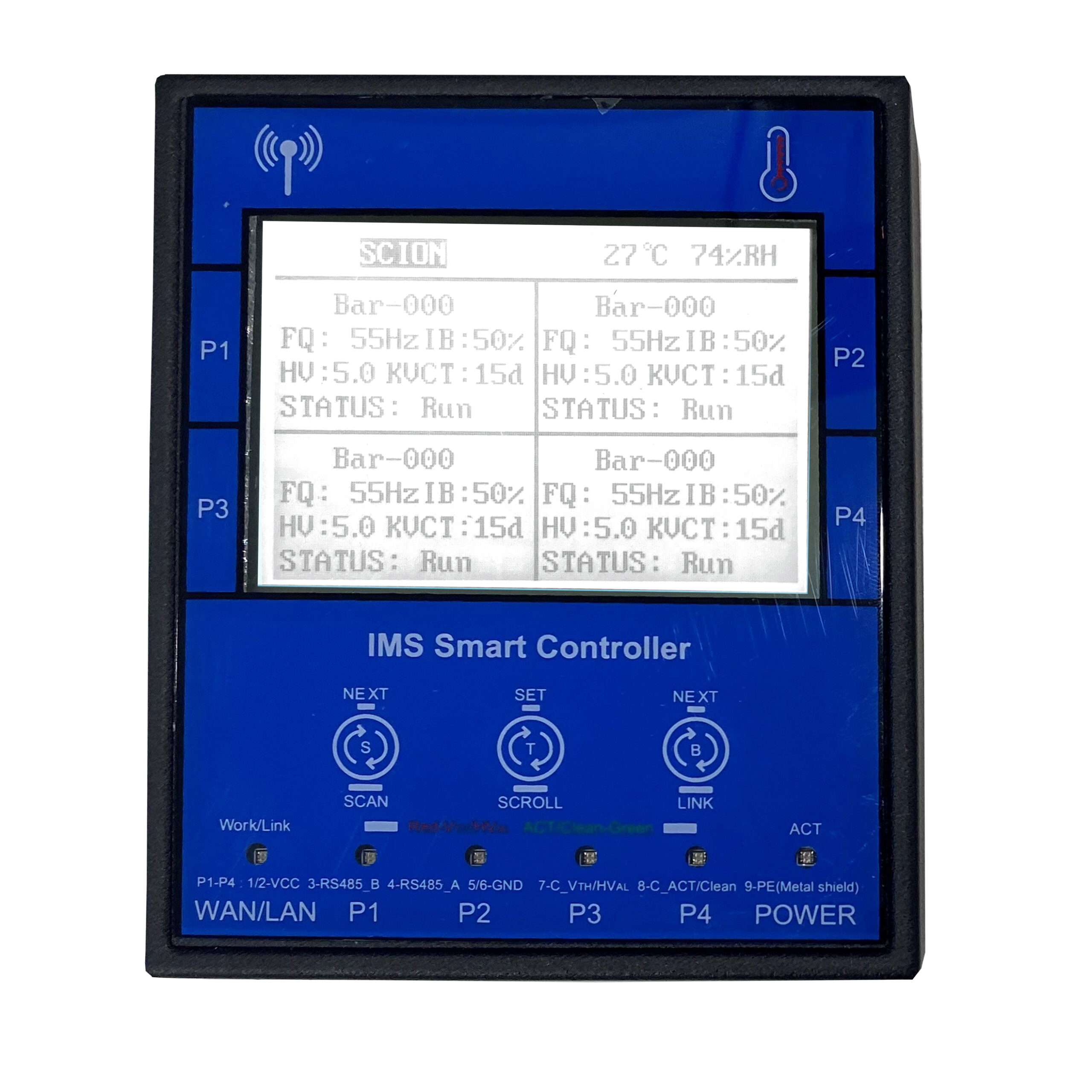
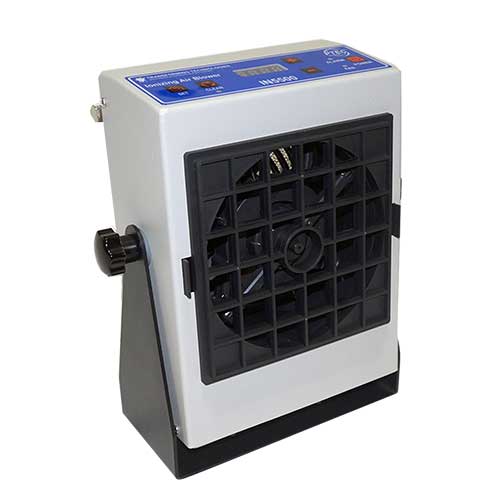
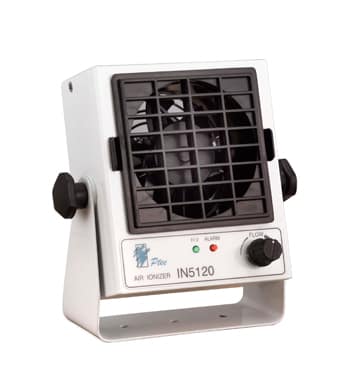
Ionizers are used to neutralize static charges in the air or on objects. In the semiconductor industry, these devices are used to prevent static buildup in cleanroom environments, as they release both positive and negative ions into the environment to neutralize any charges that might accumulate.
 (opens in a new tab)
SCION IN1200 Series ESD Ion Bar Display
 (opens in a new tab)
Ptec IN5500 Self-Cleaning Bench Top Ionizer
 (opens in a new tab)
FL0030 - Filter for the IN6430 Ionizing Gun
 (opens in a new tab)
PTEC IN5120 "In Tool" ESD Ionizing Blower
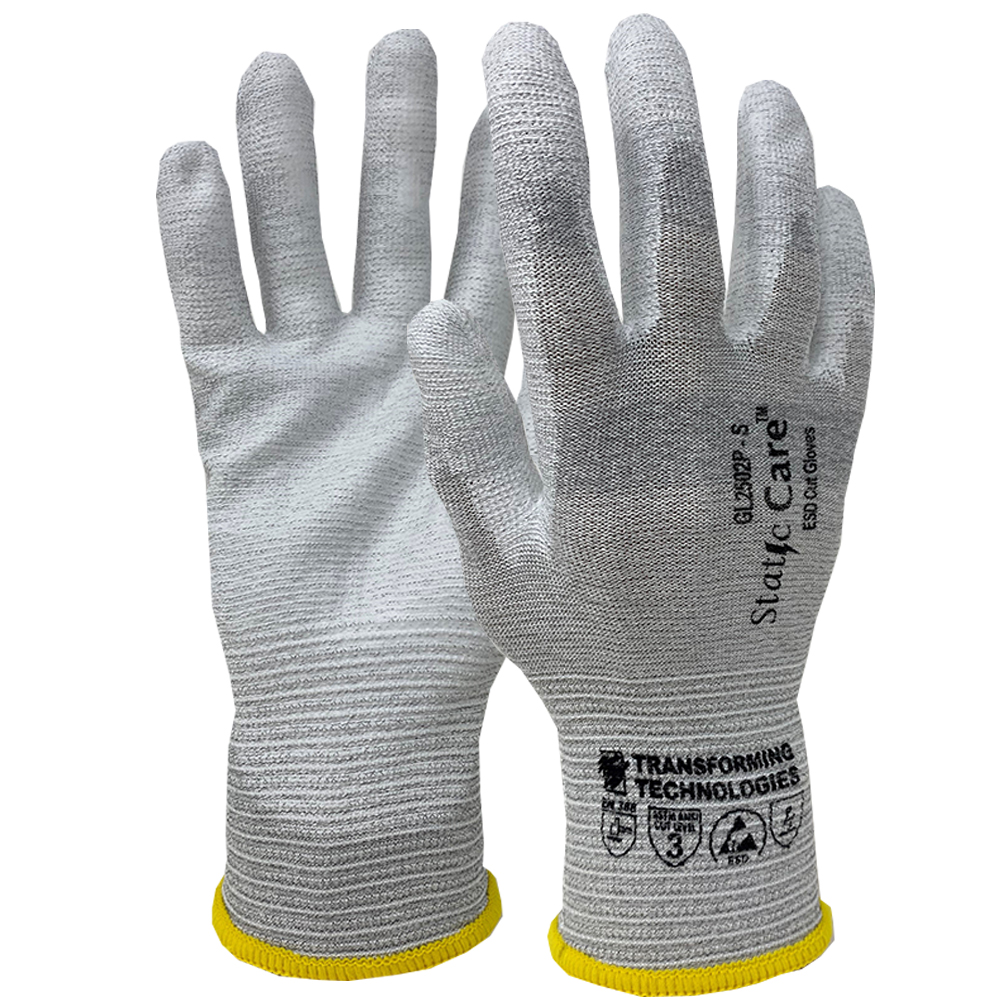
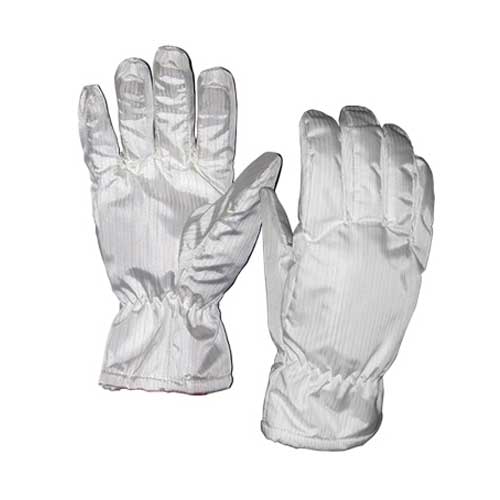
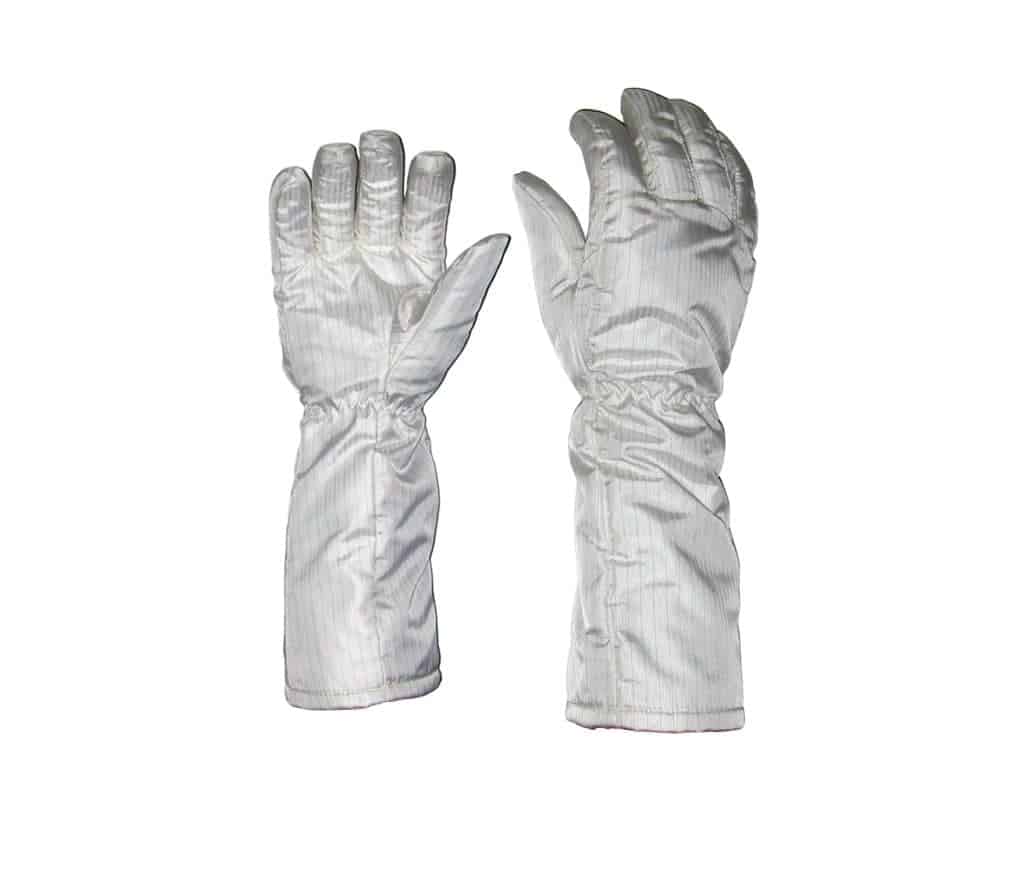
ESD Safe Gloves and Clothing
Workers in semiconductor cleanrooms often wear anti-static gloves, smocks, and other clothing made from special materials to prevent static buildup on their bodies. This ensures that they don’t accidentally transfer any static charge onto sensitive devices during handling.
 (opens in a new tab)
Short Sleeve ESD Jacket: V-Neck, Lightweight 8812 Fabric,
 (opens in a new tab)
Maroon 9010 Series ESD Jackets: Lapel Collar, ESD Knit Cuff
 (opens in a new tab)
GL3500 - ESD Polyester Inspection Gloves - Uncoated
 (opens in a new tab)
Burgundy 8812 Series ESD Jackets: V-Neck, Three Snap Adjustment Sleeve
Anti-static Flooring
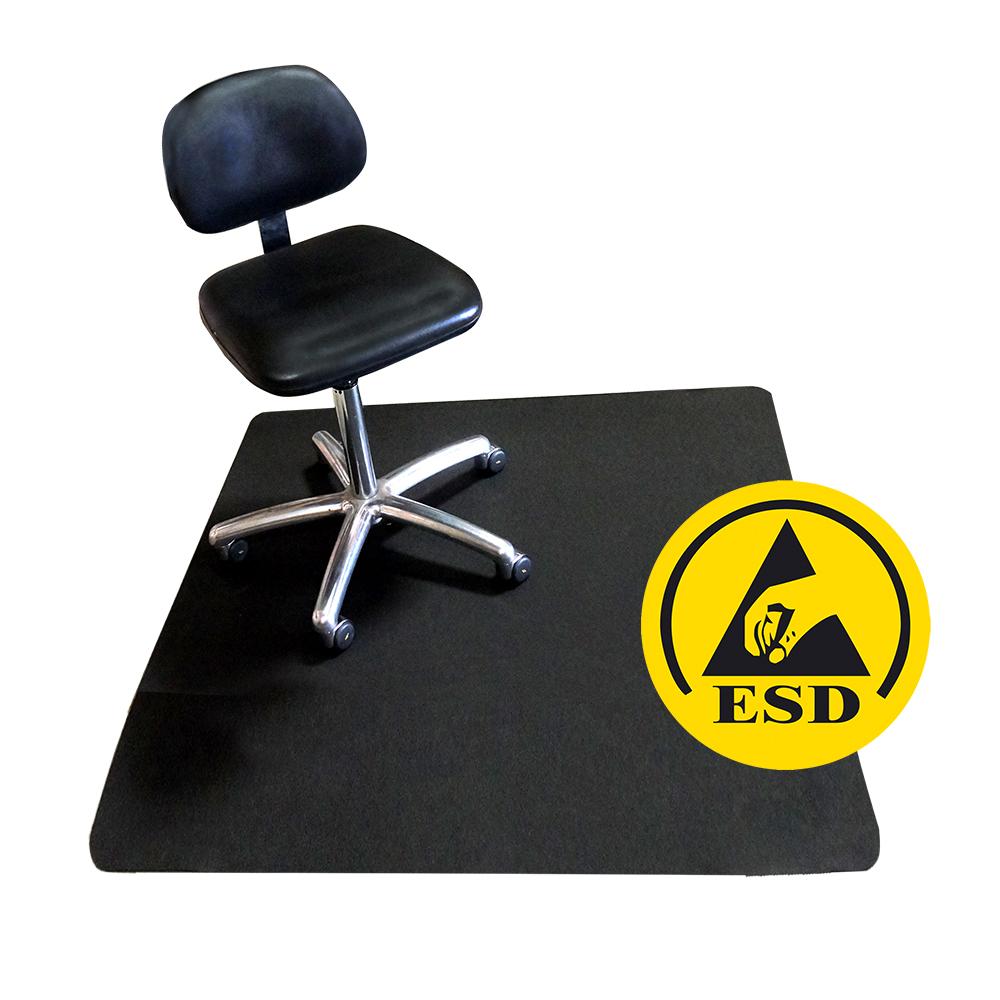
In semiconductor production areas, anti-static flooring helps prevent the buildup of static electricity from foot traffic. This type of flooring is either conductive or dissipative, ensuring that any static charge is either safely grounded or neutralized in the environment.
 (opens in a new tab)
VinylSTAT FM7 ESD Conductive Chair Mats and Floor Runners
 (opens in a new tab)
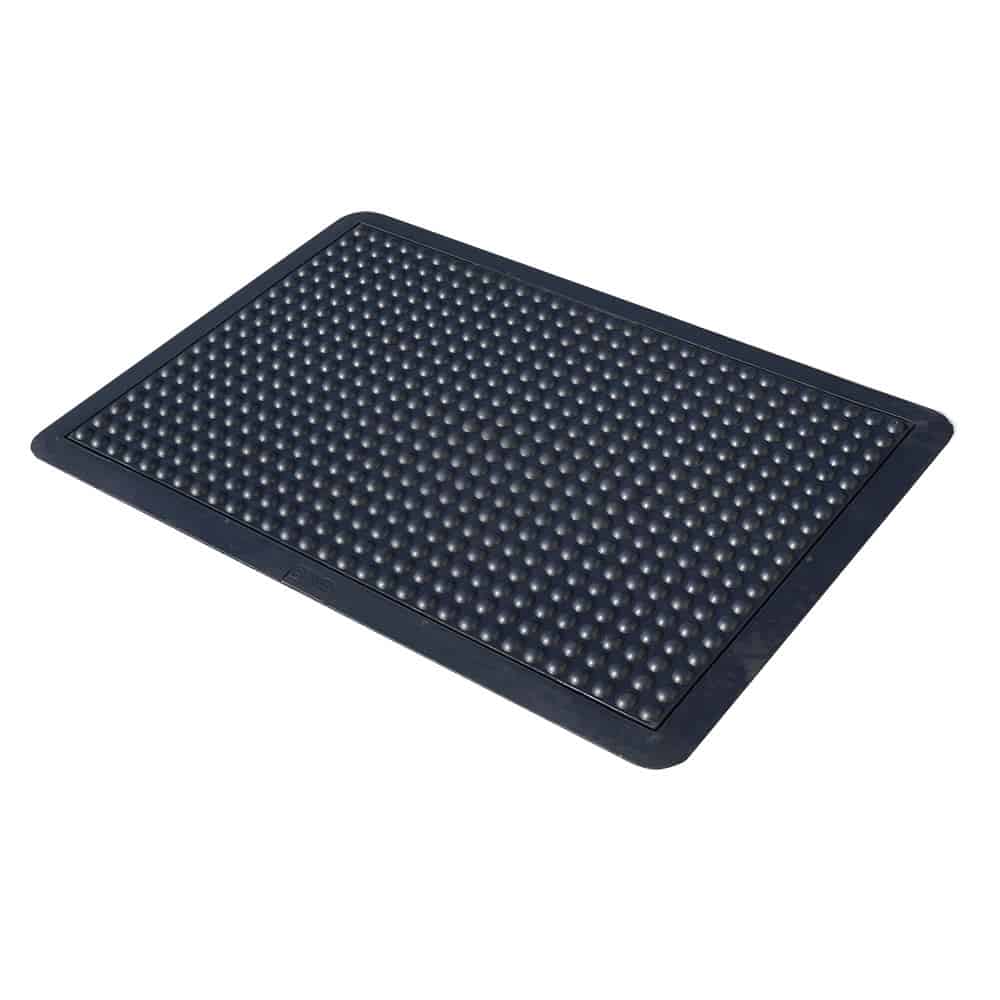
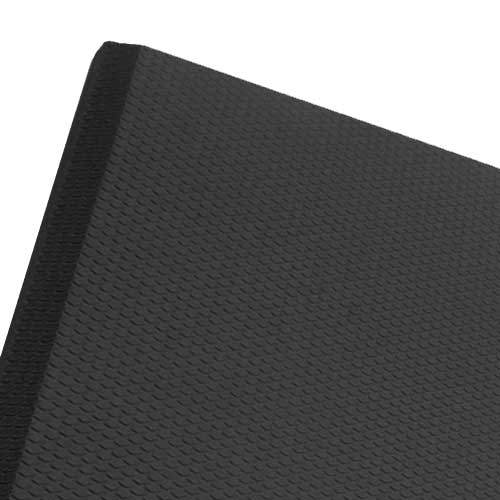
FM62436BK ComfortGEL Cleanroom Gel Foam Anti-Fatigue Mats - 2'x3'
(opens in a new tab)FM62036BK ComfortGEL Cleanroom Gel Foam Anti-Fatigue Mats - 20"x3'
 (opens in a new tab)
VinylSTAT FM4 - Anti-Static ESD Chair Mats and Floor Runners
Anti-Static Brushes
These brushes are designed to neutralize static electricity on surfaces by gently brushing away static charges without damaging the material. They are often used to clean films, papers, or other materials that are sensitive to static buildup.
 (opens in a new tab)
ESD Conductive Brushes
Have more questions? Reach out to us and we will be happy to assist!
Contact Us